Top Diesel Repair Tips for Trucks and RVs
Updated: Jul 27
Maintaining a diesel engine is crucial for the longevity and performance of your truck or RV. Diesel engines are known for their durability and efficiency, but they also require specific care to keep them running smoothly. Whether you're a seasoned diesel owner or new to the world of diesel engines, understanding how to properly maintain and repair your vehicle can save you time, money, and headaches down the road. In this post, we will explore essential diesel repair tips that will help you keep your truck or RV in top shape.
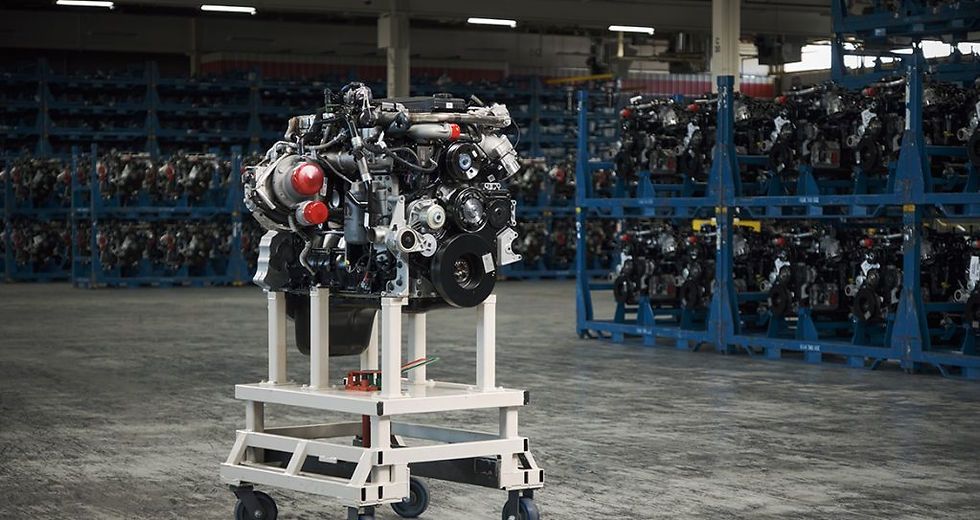
Understanding Diesel Engines
Before diving into repair tips, it's essential to understand how diesel engines work. Unlike gasoline engines, diesel engines rely on compression to ignite fuel. This process makes them more fuel-efficient and capable of producing more torque, which is particularly beneficial for heavy-duty vehicles like trucks and RVs.
Key Components of a Diesel Engine
Fuel Injectors: These deliver fuel into the combustion chamber.
Turbocharger: Increases engine efficiency by forcing more air into the combustion chamber.
Intercooler: Cools the air from the turbocharger before it enters the engine.
Glow Plugs: Help start the engine in cold conditions by heating the combustion chamber.
Understanding these components can help you identify potential issues and perform necessary repairs.
Regular Maintenance is Key
Regular maintenance is the cornerstone of diesel engine longevity. Here are some essential maintenance tips:
Change the Oil Regularly
Oil lubricates the engine's moving parts and helps remove contaminants. For diesel engines, it's recommended to change the oil every 5,000 to 7,500 miles, depending on the manufacturer's guidelines. Always use high-quality diesel engine oil that meets the specifications for your vehicle.
Replace Fuel Filters
Fuel filters prevent dirt and debris from entering the engine. Clogged filters can lead to poor performance and engine damage. Replace the fuel filter every 10,000 to 15,000 miles or as recommended by your vehicle's manufacturer.
Check the Air Filter
A clean air filter is vital for optimal engine performance. A dirty air filter restricts airflow, leading to reduced efficiency and power. Inspect the air filter regularly and replace it as needed, typically every 15,000 to 30,000 miles.
Monitor Coolant Levels
Keeping an eye on coolant levels is essential to prevent overheating. Check the coolant reservoir regularly and top it off with the appropriate coolant type. Flush and replace the coolant every two years to maintain its effectiveness.
Troubleshooting Common Diesel Engine Issues
Even with regular maintenance, issues can arise. Here are some common problems and how to troubleshoot them:
Hard Starting
If your diesel engine struggles to start, it could be due to several factors:
Weak Battery: Check the battery's charge and connections. A weak battery can hinder the starting process.
Faulty Glow Plugs: If the glow plugs are not functioning correctly, the engine may have difficulty starting in cold weather. Test and replace faulty glow plugs as needed.
Fuel Issues: Ensure there is enough fuel in the tank and that the fuel is clean. Contaminated fuel can cause starting problems.
Loss of Power
If you notice a decrease in power, consider the following:
Clogged Fuel Filter: A clogged filter restricts fuel flow. Replace it if necessary.
Turbocharger Issues: Inspect the turbocharger for any signs of damage or leaks. A malfunctioning turbo can significantly impact performance.
Exhaust Blockage: Check for any obstructions in the exhaust system, as this can lead to reduced power.
Excessive Smoke
Excessive smoke from the exhaust can indicate various issues:
Black Smoke: This often points to an overly rich fuel mixture. Check the fuel injectors and air filter.
Blue Smoke: This indicates oil burning, which could be due to worn piston rings or valve seals. A mechanic should inspect this issue.
White Smoke: This can occur when the engine is cold or if there is a fuel issue. If it persists, further investigation is needed.
DIY Diesel Repairs
Many diesel repairs can be done at home with the right tools and knowledge. Here are some common DIY repairs:
Replacing Fuel Injectors
Replacing fuel injectors can improve engine performance and fuel efficiency. Here’s a step-by-step guide:
Gather Tools: You'll need a socket set, torque wrench, and new injectors.
Disconnect Battery: Always disconnect the battery before starting any repairs.
Remove Engine Cover: If applicable, remove the engine cover to access the injectors.
Disconnect Fuel Lines: Carefully disconnect the fuel lines from the injectors.
Remove Old Injectors: Unscrew the old injectors and replace them with new ones.
Reassemble: Reconnect the fuel lines and battery, then start the engine to check for leaks.
Changing the Oil
Changing the oil is a straightforward process:
Gather Supplies: You'll need new oil, an oil filter, and an oil catch pan.
Warm Up the Engine: Run the engine for a few minutes to warm the oil, making it easier to drain.
Drain Old Oil: Place the catch pan under the oil pan and remove the drain plug to let the old oil flow out.
Replace Oil Filter: Remove the old oil filter and install a new one.
Add New Oil: Replace the drain plug and add new oil through the oil fill cap.
When to Seek Professional Help
While many repairs can be done at home, some issues require professional expertise. Here are signs that you should consult a mechanic:
Engine Warning Lights: If the check engine light comes on, it's best to have a professional diagnose the issue.
Strange Noises: Unusual sounds from the engine can indicate serious problems that need immediate attention.
Fluid Leaks: If you notice any fluid leaks, especially oil or coolant, consult a mechanic to prevent further damage.
Conclusion
Maintaining and repairing your diesel truck or RV doesn't have to be overwhelming. By following these tips and understanding your engine's needs, you can ensure a long and productive life for your vehicle. Regular maintenance, timely repairs, and knowing when to seek professional help are key to keeping your diesel engine running smoothly.
Remember, a well-maintained diesel engine not only performs better but also saves you money in the long run. So, roll up your sleeves and get started on keeping your truck or RV in top condition!